Landscape Maintenance for Better First Impressions at Your Business


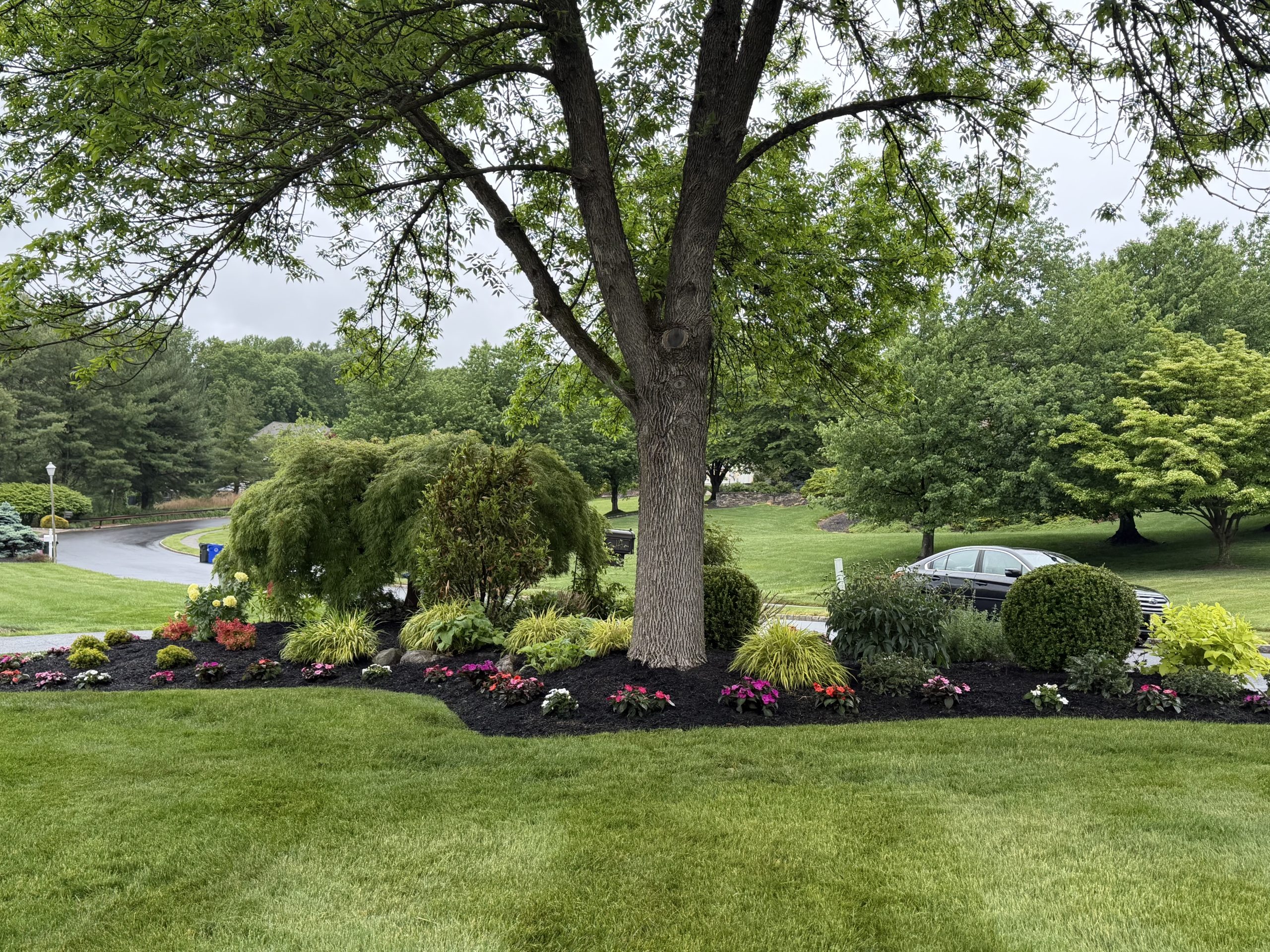
A customer usually forms an opinion of a business before speaking to anyone, opening a door, or reading a sign. The parking lot, entry walk, planting beds, lawn edges, and even the condition of the trees all speak first. They tell visitors whether the property is cared for, whether management pays attention, and whether the experience inside is likely to feel orderly and dependable.
That may sound like a lot to ask from shrubs and mulch, but it is how people read commercial spaces. A clean, well-maintained exterior creates a sense of competence. A neglected one suggests delay, distraction, or cost-cutting in places customers cannot yet see. In practical terms, Landscape Maintenance is not just a property expense. It is part of branding, risk management, and customer experience.
Property owners often focus on dramatic improvements, such as installing new hardscape, replacing outdated signage, or redesigning the front entry. Those investments matter, but the day-to-day condition of the grounds usually has a stronger effect on first impressions. Freshly edged beds, trimmed plant material, weed-free islands, and healthy turf communicate care every single day. By contrast, overgrown shrubs, patchy grass, and dead seasonal color can make a good building look tired.
What people notice in the first ten seconds
Most visitors are not analyzing your property like a landscaper or facility manager. They are reading it quickly and emotionally. The eye catches contrast, order, and signs of neglect. If a driveway entrance is clean, sightlines are open, and the landscape frames the building rather than hiding it, people feel more at ease. If limbs hang too low, weeds push through cracks, or beds look dry and sparse, they register that too.
This is especially true for businesses where trust matters. Medical offices, financial firms, law practices, senior living communities, hotels, and professional campuses all benefit from grounds that look stable and intentional. Retail centers depend on curb appeal in a different way. For them, landscape quality supports foot traffic, dwell time, and tenant perception. Even industrial properties, where function comes first, gain from neat grounds because vendors, recruits, and clients still form judgments the moment they arrive.
I have seen this play out on otherwise well-run properties. One office building had recently renovated its lobby, upgraded lighting, and repainted all common areas. Inside, it felt sharp and current. Outside, however, the foundation plantings had outgrown the windows, the mulch had faded to gray, and irrigation overspray left rust stains on the sidewalk. Visitors did not mention the new lobby. They commented on the property feeling “a little dated.” The issue was not architecture. It was maintenance.
Landscape Maintenance is a visual standard, not a once-a-year task
Some business owners think of landscape work in bursts. Spring cleanup happens, flowers go in, mulch is refreshed, and then attention shifts elsewhere. The problem is that commercial landscapes change every week. Turf grows unevenly. Weeds do not wait for budget meetings. Shrubs can block signage faster than most people expect. A storm can leave litter and broken branches in a single afternoon.
Effective Landscape Maintenance keeps the property within a visual standard, not just alive. That distinction matters. A plant can be healthy and still make a site look unkempt if it is oversized, poorly shaped, or inconsistent with the architecture. A lawn can be green and still create a weak first impression if edges are soft and the mowing pattern is irregular. Maintenance is about appearance, safety, and function working together.
The best programs are proactive. They anticipate what the property should look like in each season and adjust before problems become visible to customers. On a high-traffic commercial site, waiting until something clearly looks bad is usually too late. By then, guests have already noticed.
The areas that influence perception most
Not every square foot of a property carries equal weight. Visitors tend to judge the whole site based on a few high-visibility zones. The entrance drive, monument sign, front walkway, parking lot islands, building foundation, and main door area do most of the work. If those spaces look strong, the overall property feels stronger.
This is where a lot of maintenance budgets go wrong. Teams spread effort evenly across the entire site when they should be prioritizing impact zones. A side slope behind the building matters, but not as much as the first planting bed a customer sees from the road. A rear service area should still be maintained, especially for employees and deliveries, but the approach sequence deserves extra attention because that is where first impressions are formed.
There is also a difference between visible neglect and invisible neglect. Irrigation pressure problems underground matter, but customers do not see them until turf thins out or planters dry down. Root flare issues on a tree may be hidden for years, then suddenly become obvious through decline or limb drop. Good maintenance addresses both. It preserves what visitors notice now and prevents the failures they would notice later.
Healthy landscapes look expensive, even when they are managed efficiently
One of the most useful truths in commercial landscaping is that consistency often matters more than extravagance. A simple palette of durable shrubs, clean mulch lines, healthy turf, and well-pruned trees can look far more professional than a flashy but poorly maintained design. Customers rarely think, “This site used premium ornamental grasses.” They think, “This place looks cared for.”
That is good news for businesses working with real budget limits. Better first impressions do not always require a major renovation. In many cases, the biggest gains come from correcting maintenance basics. Deep edging can redefine beds in a day. Raising tree canopies can improve sightlines and make a site feel safer. Removing dead or declining plants can instantly reduce visual clutter. Seasonal color, used selectively near entrances, can create a focal point without stretching labor across the whole property.
There is a judgment call here. Some properties overspend on frequent cosmetic touch-ups while ignoring structural plant issues. Others postpone all aesthetic work in the name of efficiency and end up looking neglected. The right balance depends on the business type, traffic volume, and brand expectations. A Class A office campus will need a higher finish level than a warehouse distribution center. A boutique hotel needs a more tailored look than a back-office administrative site. But every commercial property benefits from visible order.
The hidden cost of deferred care
Deferred maintenance almost always costs more than routine maintenance, and not just in repair bills. It also reduces credibility. When clients see dead shrubs that have clearly been in place for months, or turf damage that has spread season after season, they assume slow decision-making. That perception can spill into how they view the business itself.
The financial side is equally important. Neglected irrigation can turn into expensive plant replacement. Skipping pruning for too long can require harsher cuts later, leaving shrubs misshapen for a full growing season. Waiting on weed control often means crews spend more labor hours hand-pulling or spot-treating mature infestations. Poor drainage around entries can stain concrete, undermine plant health, and create slip hazards.
I have seen managers postpone a few thousand dollars in corrective work only to face a much larger reset a year later. One retail property delayed replacing failing shrubs at the main sign because they were “still technically alive.” Within a season, half the bed had thinned out, weeds moved in, and the irrigation had to run longer to keep stressed material going. By the time ownership approved replacement, the site also needed bed regrading, fresh soil amendment, and new drip lines. The original issue had multiplied.
Safety and appearance are tied together
Good landscape maintenance improves first impressions partly because it makes a site feel safer. People notice when tree limbs obstruct lighting, when plantings create blind corners, or when groundcover spills over sidewalks. They may not phrase it in landscape terms, but they feel it. A clean exterior supports comfort, and comfort supports trust.
This matters after dark as much as during the day. Overgrown material around parking areas can hide curbs and reduce visibility. Low branches near drive aisles can interfere with trucks and service vehicles. Wet overspray on walkways can make polished surfaces slick. Thorny or dense plant material too close to paths can make pedestrians pull away from bed edges, especially near building entrances.
There is also the issue of code compliance and liability. Sight triangles at exits need to stay clear. Trees over public walks and fire lanes need proper clearance. Drainage areas and retention features need to function as designed. A maintenance contractor who understands only mowing and trimming is not enough for many commercial properties. You need people who understand horticulture, access, seasonality, and risk.
Seasonality changes what “well-maintained” looks like
A common mistake is applying one visual standard year-round. Landscapes do not look the same in April, July, October, and January, and they should not. What matters is whether the property looks intentional in each season.
In spring, people respond to freshness. Clean bed lines, pruned shrubs, healthy new turf growth, and tidy entrances make a strong impact. Summer puts pressure on irrigation, weed control, and mowing quality. This is when properties can slip quickly if schedules are loose. Fall is often underestimated, but it is one of the best times to strengthen appearance because leaf management, ornamental grass cutbacks, and selective replacements prepare the site for the dormant season. Winter, especially in colder regions, shifts attention toward debris removal, branch hazards, dormant pruning, and keeping hardscape edges neat rather than expecting lush color.
A well-run maintenance plan accounts for these shifts without making the property feel abandoned during the off-season. Evergreen structure, bark texture, ornamental tree form, and neat bed surfaces matter more in winter because flowers and active growth are reduced. Many commercial sites benefit from adding plant structure rather than relying too heavily on seasonal annuals for impact.
Where maintenance crews add the most value
A reliable crew does more than complete a checklist. They notice change. They flag drainage issues before turf dies, identify insect pressure before it spreads, and catch irrigation leaks before a bill spikes. On commercial sites, that observational role is one of the biggest sources of value.
The strongest crews also understand presentation. They know that string trimming too aggressively around trunks causes long-term damage. They know shearing every shrub into the same shape creates a stiff, dated look. They know mulch piled against stems is not neat, it is harmful. These details separate basic groundskeeping from professional Landscape Maintenance.
If you manage a https://finnffzn098.novacrestiq.com/posts/landscape-maintenance-basics-for-a-tidy-and-inviting-landscape business property, these are the service areas that typically deserve the closest attention:
- Entry sequence, including signage, driveway edges, front walks, and the door zone.
- Turf quality in high-visibility areas, especially near roads and customer parking.
- Shrub and tree pruning that preserves sightlines, lighting, and architectural scale.
- Irrigation performance, because water issues quietly drive many appearance problems.
- Weed and debris control, which customers read as either discipline or neglect.
That list is short by design. Plenty of other tasks matter, but these five shape perception fastest.
Matching the landscape to the business
A law office, pediatric clinic, manufacturing plant, and neighborhood shopping center should not all be maintained the same way. Their landscapes have different jobs. The law office may need quiet formality, with crisp edging and restrained plant choices. The clinic may benefit from softer color, approachable planting, and clear pedestrian routes. The industrial site may prioritize durable materials, open sightlines, and minimal interference with truck circulation. The retail center may need flexible seasonal color and strong appearance around tenant entries.
The maintenance style should support that identity. Over-pruned shrubs can make a hospitality property feel stiff. Loose, naturalistic plantings may look beautiful at a design studio but read as messy at a financial office if they are not managed carefully. This is where local experience matters. A contractor familiar with commercial branding can maintain the same species in very different ways depending on the setting.
There are also regional realities. In hot climates, properties need plans for heat stress, irrigation audits, and plant selection that can handle reflected pavement heat. In wetter regions, drainage and fungal disease pressure become more important. In areas with freeze-thaw cycles, plant placement near walks and curbs needs more scrutiny because deicing salts can cause repeated damage. Good Landscape Maintenance is never generic. It responds to use, climate, and audience.
Budgeting without losing the front-of-house effect
Owners often ask how to improve curb appeal without committing to a complete redesign. Usually, the answer is not one dramatic spend. It is a sequence of smart corrections. Start with visibility and condition. Clean up what people see first, remove what is dead or failing, and restore strong bed definition. Then evaluate irrigation, pruning cycles, and plant massing. Only after those basics are stable should you invest in enhancements like expanded seasonal color or decorative containers.
There is a practical order to this work. New flowers will not impress anyone if the weeds behind them are knee-high. Fresh mulch will not hold up if drainage is washing it into the sidewalk. Premium specimen trees will struggle if irrigation coverage is uneven. The best budgets move from corrective maintenance to stability, then to appearance upgrades.
For many commercial properties, the most cost-effective annual planning includes a few scheduled interventions rather than waiting for emergency approvals. Think in terms of spring refresh, midsummer irrigation check, fall enhancement, and winter structural pruning. That rhythm spreads spending and keeps visual quality from dipping too far.
A simple way to think about priorities is this:
| Priority level | Focus | Why it matters | | --- | --- | --- | | Immediate | Dead plants, safety hazards, blocked signage, trip risks | These hurt perception and create liability | | Short-term | Edging, mulch refresh, pruning, weed control | These deliver fast visual improvement | | Ongoing | Mowing quality, irrigation monitoring, debris removal | These sustain consistency | | Strategic | Plant replacement, bed redesign, tree succession | These prevent recurring appearance issues |
A table like this helps when multiple stakeholders review site conditions differently. Operations may focus on safety, marketing may focus on appearance, and finance may focus on cost. Framing the work by urgency and impact usually gets better decisions.
How to tell whether your current program is working
The easiest test is to arrive like a first-time visitor. Enter from the street, park where customers park, and walk to the main door without looking at the property through a manager’s lens. What stands out first? Is the sign framed neatly or crowded by growth? Does the route feel open and clean? Are there faded areas that make the site feel older than it is? Do planters and beds look intentional or forgotten?
Photos help because they flatten the scene and reveal patterns you miss in person. Take images from the road, the parking lot, and the entry. Compare them month to month. Consistency is the goal. A property should not look exceptional for one week after service and average for the next three. If that is happening, the maintenance plan may be too reactive, too infrequent, or focused on the wrong tasks.
It also helps to ask front-line staff what they hear. Reception teams, leasing agents, and store managers often notice recurring customer comments before owners do. If visitors mention overgrown landscaping, poor nighttime visibility, messy walks after storms, or irrigation running at odd times, those are useful signals.
A stronger exterior changes how the whole business feels
When Landscape Maintenance is done well, people rarely comment on it directly. Instead, they say the property feels professional, welcoming, or polished. They trust the business faster. Employees feel better arriving each morning. Tenants and clients complain less. The site photographs better. Leasing and sales teams have an easier time opening conversations because the environment already supports the message.
That is why grounds care deserves more respect than it often gets. It is one of the few operational investments that affects brand perception, safety, and asset value at the same time. It works quietly, but it works every day.
For businesses trying to improve first impressions, the landscape is often the most immediate opportunity. Not because it needs to be extravagant, but because it needs to look intentional. Clean lines, healthy plants, controlled growth, clear access, and seasonal attention can change how a property is read before anyone says a word. That first impression is brief, but it is powerful, and the landscape makes it first.
Majestic Mowing & Landscaping LLC
Phone number: +19733975532
FAQ About Landscape Maintenance
What is landscape maintenance?
Landscape maintenance is the ongoing care, cleaning, and upkeep of outdoor green spaces to keep them healthy, safe, and attractive.
Is $100 an hour too much for landscape work?
An hourly rate of $100 is not too much for specialized or professional landscape work, though it sits at the higher end of the standard pricing spectrum.
How much do landscapers charge for maintenance?
For professional landscaping maintenance, homeowners typically pay $100 to $410 per month for recurring services, or an hourly labor rate of $50 to $100 per hour per crew member.