Landscape Maintenance Tasks That Improve Lawn Resilience

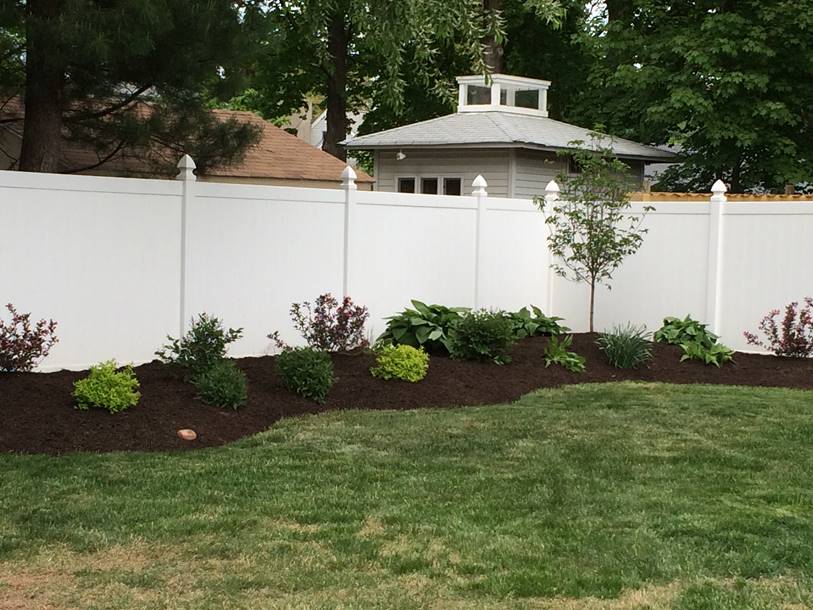

A resilient lawn is not the same thing as a perfect lawn. That distinction matters more than many property owners realize. Turf that looks flawless for one weekend in May can struggle badly by late July, while a lawn with a few seasonal imperfections may come through heat, foot traffic, disease pressure, and inconsistent rainfall with very little decline. The difference usually comes down to disciplined Landscape Maintenance, done with a long view.
Resilience is the lawn’s ability to recover from stress. That stress may come from drought, compacted soil, fungal activity, pet traffic, children playing, heavy mowing equipment, or a week of pooled water after a storm. In practice, resilient turf has deeper roots, more consistent density, fewer bare patches, and a better chance of crowding out weeds before they gain ground.
The strongest lawns I have seen were not built through one miracle treatment. They were built through a sequence of ordinary tasks, timed well and repeated year after year. Some of those tasks are visible, like mowing correctly. Others happen below the surface, like relieving compaction or improving infiltration so roots can breathe. If lawn performance has been inconsistent, the answer is rarely more product. It is usually better maintenance.
Start with the soil, because the grass is only the symptom
When a lawn repeatedly thins out, turns brown too quickly, or stays soft and spongy after rain, the turf is telling you something about the soil underneath. Healthy grass depends on air exchange, water movement, organic matter balance, and room for roots to expand. If any one of those factors is limited, resilience drops fast.
Compaction is one of the most common hidden problems. It often develops gradually in areas near driveways, along sidewalks, beside patios, and in backyard routes where people naturally walk. You can usually spot it by the pattern. The grass in those areas looks weaker even if irrigation coverage is https://pastelink.net/4fupm3y9 fine. Water may run off instead of soaking in. During hot weather, those sections often fade first.
Core aeration remains one of the most effective corrective tasks in routine Landscape Maintenance. Pulling plugs from compacted soil creates openings for oxygen, moisture, and root growth. It also gives topdressing materials a place to settle. On cool season lawns, fall is often the best window for aeration because soil temperatures still support recovery and root development. Warm season lawns usually respond best when aerated during active growth in late spring or early summer.
Timing matters. Aerating at the wrong moment, especially during severe heat stress or dormancy, can leave turf vulnerable. Soil moisture matters too. Ground that is too dry can resist tine penetration, while saturated soil may smear and close back up. In real field conditions, slightly moist soil gives the best results.
Soil testing is another task that often gets skipped because it lacks visual drama. Yet it can save both money and frustration. A lawn with low potassium, poor pH balance, or excessive phosphorus may not respond to fertilizer the way you expect. Instead of guessing, a basic test gives direction. Over the years, I have seen more lawns harmed by repeated blind applications than by actual neglect. Excess nitrogen can produce fast top growth, but shallow roots and greater disease susceptibility often follow.
Mowing is not cosmetic, it is structural
Many people think of mowing as appearance management. It is more accurate to see it as one of the main ways you shape turf health. Cutting height, blade sharpness, mowing frequency, and clipping management all influence resilience.
Grass that is mowed too short loses photosynthetic capacity and puts itself under avoidable stress. Short turf also exposes the soil surface to more direct sun, which increases evaporation and pushes weed seeds to germinate. A slightly taller lawn, especially during heat, usually develops a deeper root system and better drought tolerance. Exact height depends on grass type, but the principle holds across most residential lawns. Scalping is one of the fastest ways to weaken turf.
Sharp mower blades are just as important. Dull blades tear leaves instead of cutting them cleanly, leaving ragged edges that lose moisture faster and create entry points for disease. This is easy to miss from a distance because the lawn still looks mowed. Up close, the damage is obvious. If the lawn takes on a gray or frayed cast a day after mowing, the blade likely needs attention.
Frequency matters as much as height. Letting turf grow excessively and then removing a large portion all at once shocks the plant. The old rule about not removing more than roughly one third of the blade in a single mowing remains practical because it aligns with how turf recovers. During fast spring growth, that may mean mowing more often than expected. During summer slowdowns, intervals usually lengthen.
Clippings can often stay on the lawn if they are not heavy and matted. They break down quickly and return some nutrients to the soil. The exception is when clumps form, especially in humid conditions or after mowing wet grass. Those clumps can smother turf underneath and create thin spots that weeds quickly exploit.
Watering should train the root zone, not pamper the surface
Poor watering habits create fragile lawns. Light, frequent irrigation keeps the surface green for a while, but it often encourages shallow rooting. When the top inch dries out, the lawn declines quickly because that is where most of the roots have stayed. Deep, less frequent watering generally produces tougher turf.
That principle sounds simple, but local conditions complicate it. Soil texture changes how long water stays available. A sandy lawn drains fast and may need more frequent irrigation than a clay-heavy site. Slopes lose water to runoff if precipitation is applied too quickly. New seed or sod also needs different management than established turf.
The practical goal is moisture deeper in the root zone, not just a wet surface. Early morning irrigation is usually best because it reduces evaporation loss and allows foliage to dry after sunrise. Evening watering tends to leave the lawn damp longer, which can favor disease under the right weather pattern.
Uniform coverage is another overlooked issue. Many lawns are not under-watered overall, they are watered unevenly. One sprinkler head is tilted. Another sprays into a shrub instead of turf. A corner gets half the precipitation of the center. If a lawn has repeating dry patches in the same places, the problem may be distribution rather than volume. A quick catch-can test with identical containers can reveal surprising variation.
When restrictions or drought conditions limit irrigation, maintenance priorities should shift. Raise the mowing height, reduce traffic, and postpone nonessential stress. Trying to keep a lawn looking mid-spring lush during a summer water shortage often causes more long-term harm than allowing some temporary dormancy.
Feeding the lawn without forcing it
Fertilization supports resilience when it is based on turf needs, grass type, and season. It weakens resilience when it pushes lush, soft growth at the wrong time.
Nitrogen gets the most attention because the color response is immediate, but resilience also depends on balanced nutrition. Potassium, for example, is often associated with stress tolerance, while pH affects how available other nutrients are to the plant. A lawn can receive fertilizer and still remain nutritionally limited if the soil chemistry is off.
Seasonal timing is where professional judgment matters. Cool season grasses often benefit most from feeding in fall, when they can thicken and deepen roots without fighting extreme heat. Heavy spring nitrogen may create a dramatic flush, but it can also increase mowing demand and make summer stress management harder. Warm season lawns typically respond better when fed during active growth after green-up.
Slow-release sources often provide steadier growth and reduce the surge-and-crash pattern common with quick applications. That does not make every slow-release product automatically better, but the gentler response is often useful on lawns where consistency matters more than short-term color.
Overapplication remains common. It usually comes from good intentions, not negligence. The homeowner sees pale turf and assumes more fertilizer is the answer, or a service applies on schedule without accounting for residual fertility and weather. The result can be excessive top growth, increased disease pressure, more mowing, and in some cases nutrient loss through runoff. Resilient lawns are fed enough to stay vigorous, not so much that they become dependent on constant stimulation.
Thatch control and topdressing, used with restraint
Thatch is one of those topics that often gets oversimplified. A thin layer between the green vegetation and soil is normal. Problems begin when that layer becomes thick enough to interfere with air, water, and nutrient movement. Excess thatch can also keep roots too close to the surface, where they are more vulnerable to heat and drying.
Not every lawn with weak growth needs dethatching. In fact, aggressive dethatching on a lawn that is already stressed can make matters worse. The first question is whether thatch is actually excessive, usually beyond about half an inch, and whether it is contributing to a larger problem such as poor infiltration or shallow rooting. Sometimes the real issue is compaction below the thatch layer, not the layer itself.
When dethatching is warranted, it should be timed to allow recovery. Mechanical power raking can be effective, but it is disruptive. Lawns often look rough immediately afterward. That is normal, provided the grass is in a growth phase that supports regrowth. Pairing dethatching with overseeding or topdressing can help recovery, especially on cool season turf in fall.
Topdressing with compost or a compatible soil blend can improve the root environment over time, but more is not better. A light application worked into the canopy is useful. A heavy blanket that buries crowns is not. On uneven lawns, repeated light dressings usually outperform one ambitious attempt to fix every dip at once.
Overseeding as a resilience strategy, not just a repair tactic
A thin lawn invites trouble. Weed seeds reach bare soil, sunlight penetrates to the surface, and traffic damage becomes more obvious because there is less turf mass to absorb it. Overseeding improves resilience by increasing density, refreshing aging stands, and introducing cultivars with better disease tolerance or stress performance.
The key is matching seed selection to site conditions. A mix that excels in full sun will disappoint in shaded side yards. Turf under mature trees lives in a different environment, with less light and constant root competition for moisture. Seed selection should reflect that reality.
Overseeding works best when seed-to-soil contact is real, not theoretical. Broadcasting seed onto a tight, compacted lawn without opening the surface rarely produces strong establishment. Aeration, slit seeding, or light surface preparation improves results substantially. So does temporary adjustment of irrigation while seedlings establish. Many failed overseeding jobs are not caused by bad seed. They fail because the old watering schedule resumes too soon or mowing is delayed until seedlings get leggy and vulnerable.
For heavily worn areas, overseeding may need to be part of a broader reset. If foot traffic continues daily through the same corridor, fresh seed will struggle no matter how carefully it is applied. Sometimes resilience improves more from redirecting traffic with a simple path or stepping stones than from repeated reseeding.
Weed control works best when the lawn itself is competitive
Weeds are often treated as the primary problem, but in many lawns they are a symptom of underlying weakness. Crabgrass, clover, plantain, and spurge tend to exploit open space, compaction, poor fertility balance, thin cover, or mowing stress. Chemical control has a place, but it is more effective when paired with cultural correction.
Pre-emergent control can be valuable in lawns with a known annual weed cycle, particularly for crabgrass. Post-emergent treatments help clean up escapes and perennial broadleaf issues. Yet neither approach can fully compensate for a chronically thin or stressed lawn. If the canopy remains open, weeds will keep returning.
The most durable weed suppression still comes from density. Thick turf shades the soil, limits germination opportunity, and competes for resources. In practical terms, that means mowing correctly, feeding wisely, relieving compaction, and repairing bare spots quickly. Those tasks do not eliminate weed management, but they reduce how hard chemistry has to work.
Disease prevention often looks like ordinary maintenance
Most lawn diseases do not arrive out of nowhere. They emerge when weather conditions and turf stress line up. Prolonged leaf wetness, excess nitrogen, poor airflow, compacted soil, and mowing stress can all tilt the balance.
Brown patch, dollar spot, red thread, and snow mold each have their own triggers and patterns, but the management lesson is consistent. Turf that is overstimulated, poorly drained, or left wet overnight is more vulnerable. Good drainage, early watering, appropriate fertility, and clean mowing practices reduce risk before a fungicide conversation even begins.
Shade deserves special mention here. Many lawns underperform in shade because maintenance practices stay the same as in full sun. Shaded turf usually needs higher mowing height, less nitrogen, and less frequent irrigation because evaporation is slower. It also benefits from pruning nearby trees where practical to improve light penetration and air movement. That is not always possible, but even selective canopy thinning can change lawn performance.
Seasonal adjustments separate stable lawns from struggling ones
A resilient lawn is managed differently in April than in August. The best maintenance plans breathe with the season.
In spring, the temptation is to do everything at once because turf responds quickly and growth is visible. That is useful for cleanup, mower tuning, and correcting winter damage, but it is also the season when overfertilization and overly aggressive cultivation can create trouble later. Spring should set the lawn up, not exhaust it.
Summer is where resilience gets tested. Mowing height generally increases, irrigation gets more deliberate, and unnecessary stress should be reduced. This is not the ideal time for disruptive work on cool season lawns unless conditions are unusually mild. Many summer lawn failures begin with a well-meant decision to force cosmetic recovery during heat.
Fall is often the most productive season for improving cool season turf. Soil remains warm, weed pressure may ease, and roots can develop strongly. Aeration, overseeding, and measured fertilization tend to deliver their best return here. Warm season lawns follow a different rhythm, but they also benefit from seasonally aligned maintenance rather than a fixed calendar copied from another region.
Winter matters too, even though growth slows or stops. Repeated traffic on frozen or saturated lawns can injure turf crowns and compact the soil. Snow piles along driveways often lead to delayed green-up and salt damage in adjacent strips. These are not glamorous concerns, but they explain many spring problem areas.
The most useful maintenance decisions are often site-specific
There is no universal lawn recipe that works equally well on a shaded clay backyard in the Northeast, a sandy high-traffic lawn in the Mid-Atlantic, and a warm season turf stand in the South. Exposure, grass species, soil texture, irrigation quality, drainage pattern, and how the space is used all matter.
A family lawn with pets and weekly play needs a different strategy than a low-traffic front lawn maintained mainly for curb appeal. One may benefit more from aeration and repair of worn routes. The other may need a stronger focus on edging, nutrient management, and irrigation uniformity. Resilience is always contextual.
When I walk a property that has repeat lawn issues, I look first for patterns rather than isolated symptoms. Does stress follow the path of irrigation gaps, tree roots, drainage swales, mower turns, dog routes, or reflected heat from hardscape? The answer is usually visible once you stop seeing the lawn as a flat green surface and start reading it as a living system.
A practical rhythm that builds resilience over time
The maintenance tasks that matter most are not flashy. They are steady, observant, and responsive to conditions. A resilient lawn is usually the result of mowing at the right height, watering deeply and evenly, feeding with restraint, correcting compaction, repairing density loss before weeds take over, and adjusting methods as the season shifts.
For property owners, that often means doing slightly less, but doing it more precisely. Less panic watering, less unnecessary product, less scalping, less guesswork. More attention to the root zone, more respect for timing, and more willingness to address the cause instead of the symptom.
Landscape Maintenance earns its value here. Done properly, it does more than keep a lawn presentable. It builds recovery capacity. It allows turf to bend under stress without breaking. And that is what resilience looks like in the real world, not a flawless lawn every day of the year, but a lawn that can take pressure, rebound well, and remain healthy through changing conditions.
Majestic Mowing & Landscaping LLC
Phone number: +19733975532
FAQ About Landscape Maintenance
What is landscape maintenance?
Landscape maintenance is the ongoing care, cleaning, and upkeep of outdoor green spaces to keep them healthy, safe, and attractive.
Is $100 an hour too much for landscape work?
An hourly rate of $100 is not too much for specialized or professional landscape work, though it sits at the higher end of the standard pricing spectrum.
How much do landscapers charge for maintenance?
For professional landscaping maintenance, homeowners typically pay $100 to $410 per month for recurring services, or an hourly labor rate of $50 to $100 per hour per crew member.