Monthly Landscape Maintenance Tasks for Healthier Plants


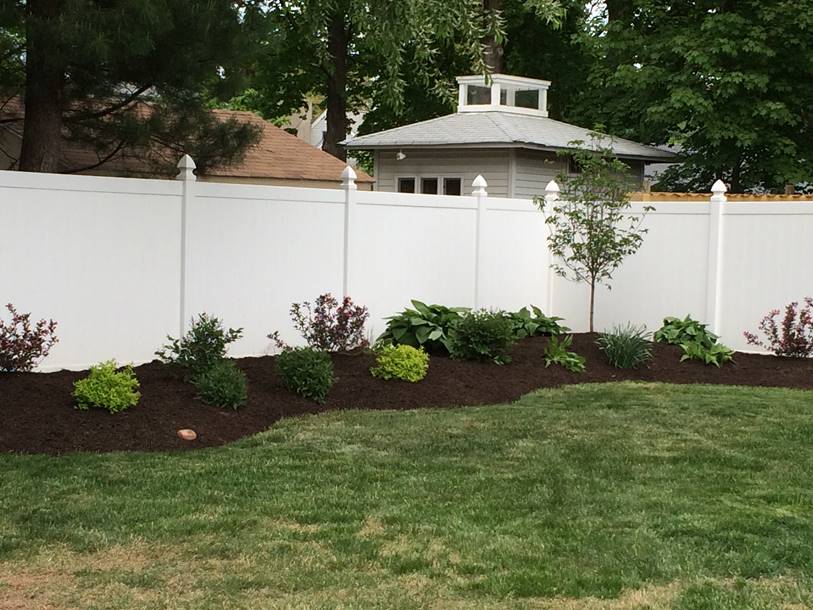
Healthy landscapes rarely happen by accident. They come from steady attention, good timing, and a willingness to adjust to weather, soil, and plant response. The most successful landscape maintenance routines are not dramatic. They are consistent. A few thoughtful tasks each month will do more for plant health than one exhausting weekend of catch-up work in late spring.
That steady rhythm matters because plants live on a schedule of their own. Roots wake up before top growth shows. Soil temperature often matters more than air temperature. Fungal pressure rises with humidity, not with what the calendar says. A monthly approach helps you work with those patterns instead of reacting after something has already gone wrong.
In practice, monthly care also prevents expensive mistakes. Overwatered shrubs, compacted beds, turf scalped too short, mulch piled against trunks, and pruning at the wrong time are common problems in both residential and commercial properties. Most of them start with good intentions and poor timing. A simple month-by-month maintenance plan keeps the basics under control and gives plants a stronger chance to thrive.
The real goal of monthly landscape maintenance
People often think landscape maintenance is mostly cosmetic, edging beds, clipping hedges, and keeping everything tidy enough for the neighbors. Appearance matters, especially on a front entry or a managed commercial site, but plant health is the larger goal. The right monthly tasks improve root development, reduce pest pressure, protect blooms, and keep stress from stacking up.
That last part is easy to underestimate. Plants can handle one stressor reasonably well. A hydrangea can recover from a hot week. A maple can tolerate a light aphid population. A lawn can bounce back from a missed mowing if rainfall is decent. Trouble starts when those stressors arrive together. Dry soil, compacted roots, poor airflow, dull mower blades, and late fertilizer can turn a minor issue into decline. Good landscape maintenance is really stress management.
Local climate will always shape the details. January in Georgia does not look like January in Minnesota. A coastal landscape behaves differently from an inland one. Even within the same neighborhood, a south-facing foundation bed can be weeks ahead of a shaded side yard. So think of the monthly tasks below as a framework. The calendar matters, but observation matters more.
January, start with structure, not panic
January is a planning month in many regions, though warmer climates may still allow active work. This is when experienced crews and property owners walk the site slowly and look for structural issues. Bare branches make it easier to see crossing limbs, storm damage, girdling roots near young trees, and drainage patterns that disappear once growth comes back.
Winter is also the best time to inspect hardscape edges, irrigation components, and mulch depth. I have seen more root flare problems discovered in January than in any other month, mostly because people can finally see the base of the trunk. If mulch is volcanoed up against trees, pull it back. The root flare should be visible. It is a small correction that prevents moisture buildup, bark decay, and long-term stress.
Where pruning is appropriate, this can be a good month for deciduous trees and shrubs that bloom on new wood. It is not the right month to shear everything in sight. Spring-blooming shrubs such as lilac, azalea, and many viburnums already carry their flower buds. Prune them now and you remove the show before it starts.
February, prepare the soil and sharpen the tools
By February, the most useful work is often invisible. Beds benefit from light cleanup, but avoid aggressive raking around crowns and emerging perennials. That habit pulls up tender growth and disturbs beneficial insects still sheltering in leaf litter. A careful hand beats a hard rake every time.
This is a strong month for soil testing if it has been a few years. Guessing at fertility causes more problems than it solves. Too much phosphorus is common in ornamental beds that have been fed with all-purpose fertilizer year after year. High salts can also show up where synthetic inputs have been overused. A basic soil test gives you a cleaner plan for spring and saves money that might otherwise go into products the site does not need.
Equipment deserves attention now as well. Sharp mower blades reduce turf stress and lower disease entry points. Pruners that cut cleanly heal better than those that crush stems. Irrigation timers should be checked before the rush of spring growth begins. I once walked a property in early March where half the shrubs near the entry had winter burn symptoms. The real issue turned out to be a damaged irrigation line from the previous fall that nobody caught during the off-season inspection.
March, wake the landscape up gently
March is where enthusiasm tends to outrun conditions. The first warm days bring people outside with fertilizer, pruners, and a truckload of mulch. Some of that energy is useful. Some of it causes setbacks.
Early spring cleanup should focus on removing winter debris, cutting back ornamental grasses before fresh growth is too tall, and checking for heaving in newly planted material. Freeze-thaw cycles can push root balls upward, especially in smaller shrubs and perennials. If that happens, firm the plant back into place and restore soil contact around the roots.
Mulch should be refreshed only where needed. Two to three inches is usually enough. More than that restricts oxygen exchange and can trap excessive moisture near stems. It also gives people a false sense of improvement. A fresh layer of mulch makes a bed look finished, but it does not correct poor drainage, depleted soil, or improper plant spacing.
March is also the month to think carefully about pre-emergent weed control in turf and some bed areas if annual weeds are a recurring problem. Timing is everything. Applied too late, it misses the germination window. Applied too broadly, it can interfere with desirable seed establishment. If you plan to overseed a lawn, that decision affects whether pre-emergent makes sense at all.
April, feed growth without forcing it
By April, most landscapes are in active transition. Roots are moving, buds are swelling, and weed pressure is rising. This is the time to support growth, not push it harder than the site can sustain.
Fertilizer decisions should follow plant need, not habit. Lawns may benefit from feeding, depending on turf type and region. Trees and shrubs often need far less fertilizer than people think, especially if growth has been adequate and leaf color is normal. Overfertilized plants produce soft, lush growth that attracts pests and needs more water. You can usually spot it by the long, weak shoots and the constant need for pruning later in the season.
April is also one of the best months to correct irrigation coverage before heat arrives. Run each zone and watch it. Do not just assume the system works because the timer lights up. Check for clogged heads, overspray onto pavement, and dry pockets behind large shrubs. Uniform coverage matters more than total runtime. A bed that gets ten minutes of badly aimed irrigation can still leave half the root zone dry.
Five tasks that pay off every spring
- Check mulch depth and pull it away from trunks and stems.
- Inspect irrigation zones one by one for coverage and leaks.
- Prune dead, damaged, and diseased wood before problems spread.
- Spot emerging weeds early, before they set seed or root deeply.
- Walk the site after rain to identify drainage problems while they are visible.
These are simple jobs, but they often separate a healthy property from one that struggles all summer. None of them is glamorous. All of them matter.
May, manage growth before it gets unruly
May is when the landscape starts making demands. Turf grows fast. Shrubs flush hard. Weeds seem to show up overnight. This is the month when regularity counts more than intensity.
Mowing height is one of the biggest factors in turf health, and it is often mishandled in late spring. Cutting too low feels tidy for a day or two, then the lawn begins to thin, dry out, and invite crabgrass or disease. Most turf performs better when no more than about one-third of the blade is removed at a time. Taller mowing also shades the soil, reducing moisture loss and weed germination.
Shrub pruning in May requires judgment. Formal hedges may need light shaping, but constant shearing creates a dense outer shell and weak inner growth. Flowering shrubs that have finished blooming can often be pruned now if they bloom on old wood. This is the window for selective thinning, branch removal, and size correction before next year’s buds are set.
If annual color is part of the landscape, May is a good planting month in many areas once frost risk has passed. The healthiest installations come from proper spacing and root preparation, not from packing as many plants as possible into a bed. Crowded annuals look full for two weeks, then air circulation drops and disease pressure climbs.
June, shift from growth to resilience
June changes the tone of landscape maintenance. Early season vigor is still present, but heat stress starts entering the picture. Water management becomes more important than fertility, and plant spacing starts to reveal whether the original design respected mature size.
Deep, infrequent watering is usually better than frequent shallow sprinkling. Surface moisture encourages weak root habits. Well-watered soil below the top few inches trains roots to move downward where conditions https://milopkkt707.almoheet-travel.com/landscape-maintenance-for-water-wise-landscaping-success stay more stable. There are exceptions. New plantings need more frequent monitoring because their root systems are limited to the original root ball and nearby disturbed soil. A newly installed shrub can look fine in the morning and wilt hard by late afternoon if the weather turns hot and windy.
This is also the month to watch for the first signs of mite activity, leaf spot, powdery mildew, or stress-related insect pressure. The healthiest intervention is not always a spray. Sometimes it is improved airflow, reduced overhead irrigation, or less nitrogen. I have seen powdery mildew on phlox calm down dramatically once surrounding growth was thinned and irrigation timing moved from evening to early morning.
July, protect plants from accumulated stress
July is where many landscapes either hold steady or begin to slide backward. Heat, humidity, foot traffic, reflected light from pavement, and inconsistent watering all show up at once. The task now is not to force more growth. It is to preserve function.
Container plantings need close attention because they dry out much faster than in-ground beds. Dark pots in full sun can heat the root zone enough to damage tender annuals even when the soil is technically moist. If a container repeatedly wilts by midafternoon, the answer may be placement, pot size, or plant choice, not just more water.
Lawns should be treated conservatively in peak heat. Heavy nitrogen applications, aggressive dethatching, and severe mowing are a poor match for stressed turf. A slightly less perfect lawn in July is often the healthier lawn in September. Landscape maintenance at this stage is about accepting some seasonal roughness while protecting the plant’s long-term capacity to recover.
August, keep watching the root zone
August tends to expose hidden weaknesses. Compacted beds become hydrophobic. Sloped planting areas shed water before it penetrates. Plants installed too high start drying out, while plants installed too low begin to show crown issues. Surface symptoms can look similar, scorched leaves, sparse growth, poor color, but the underlying causes differ.
The root zone is where the answers usually are. Push aside the mulch and check the soil by hand. If the top inch is dry but the soil below is evenly moist, the plant may simply be reacting to heat. If the top few inches are bone dry beneath irrigation, water is not penetrating. If the soil is soggy and sour-smelling, the site may be staying too wet. Those distinctions matter. More water is not the cure for every stressed plant.
Late summer is also a useful time to note plants that consistently underperform in a given location. A shrub that burns every year on a west-facing wall is giving you information. So is a perennial that flops after every rain because it was sited in overly rich soil. Sometimes the best maintenance decision is replacement with a plant better matched to the conditions.
September, rebuild after summer
September often feels like a second spring, especially in regions with cooler nights and returning moisture. Roots remain active, stress begins to ease, and there is a valuable window for repair work.
This is an excellent month for lawn renovation, overseeding in appropriate climates, and planting many trees and shrubs. Warm soil supports root growth while cooler air reduces top stress. New installations still need careful watering, but they usually settle in better than midsummer plantings.
Perennial beds can be divided now if clumps have outgrown their space or declined in the center. Not every perennial needs division on a fixed schedule. Some can sit happily for years. Others, such as daylilies or certain ornamental grasses, benefit from periodic thinning. The sign to watch is performance. Fewer blooms, dead centers, or overcrowding at edges usually indicate it is time.
September is also a smart moment to revise pruning habits. If summer shearing has created dense outer growth, consider selective thinning instead. Plants respond better when light and air can move through the canopy.
October, clean up without stripping everything bare
October invites a cleanup frenzy, but a sterile landscape is not always a healthier one. There is a difference between removing diseased debris and stripping every leaf, stem, and seed head from the property.
Beds should be cleaned enough to reduce disease carryover and prevent smothering, especially where thick, wet layers mat down over crowns. At the same time, many beneficial insects use standing stems and light organic cover for overwintering. The best landscapes strike a balance. Remove what is clearly diseased, collapsed, or problematic. Leave some habitat where it does not create a horticultural issue.
Fall leaf management deserves nuance too. Leaves piled thickly on turf can block light and trap moisture, but shredded leaves used lightly in beds can be useful organic matter. One of the better properties I maintained years ago had mature oaks that dropped heavily every autumn. Instead of hauling everything away, we shredded a portion and used it as a thin amendment layer in back beds. The soil improved noticeably over time, and disposal costs dropped.
November, water before winter and protect the vulnerable
By November, the maintenance emphasis shifts toward winter readiness. Evergreens, broadleaf shrubs in exposed sites, and recently installed trees all benefit from going into winter with adequate soil moisture. Dry roots combined with cold wind create classic winter burn conditions.
Protection can be physical where needed. Young tree trunks may require guards in areas with rodent or deer pressure. Tender shrubs in windy exposures may benefit from burlap screens, though wrapping plants too tightly can create other issues. The goal is to reduce desiccation and physical damage, not to seal plants away.
This is also a good month to stop and assess the year honestly. Which areas needed repeated intervention? Which plants coasted along with minimal help? Healthy landscape maintenance is partly care and partly editing. The more the plant palette fits the site, the less heroic work the maintenance plan requires.
December, observe what worked and what did not
December is a quieter month, but it should not be ignored. This is when strong maintenance programs get smarter. Walk the property after frost, after wind, and after rain. Notice where water stands. Notice which evergreens show stress first. Notice where snow slides off roofs into foundation plantings. Those observations are hard to gather when everything is lush and green.
It is also a practical month for recordkeeping. Not formal reports unless the property needs them, but useful notes. Which hydrangeas bloomed weakly. Which irrigation zone underperformed. Which bed dried out faster than expected. Which trees dropped limbs in storms. Monthly landscape maintenance works best when each year improves the next one.
What tends to cause the most preventable damage
- Overwatering established plants that actually need better drainage or spacing.
- Pruning at the wrong season, especially on spring-blooming shrubs.
- Mowing turf too short during periods of heat or drought stress.
- Piling mulch against trunks, crowns, and woody stems.
- Treating every yellow leaf as a fertilizer problem.
These issues show up constantly because they come from assumptions that feel reasonable. More water seems caring. More fertilizer seems helpful. A tighter prune looks neat. Plants do not respond to intention, though. They respond to conditions.
A monthly routine beats sporadic effort
The healthiest landscapes are rarely the ones with the biggest budgets. More often, they are the ones with a clear maintenance rhythm. Someone notices when irrigation misses a corner. Someone prunes with an understanding of bloom cycles. Someone checks the base of the tree instead of admiring only the top. Over time, these ordinary decisions produce stronger roots, cleaner canopies, fewer pest outbreaks, and better seasonal performance.
That is the real value of monthly landscape maintenance. It keeps care close to the plant’s actual needs. It catches small problems while they are still small. It helps each part of the landscape, turf, trees, shrubs, perennials, and seasonal color, carry less stress from one month into the next. Healthier plants are usually not the result of one perfect treatment. They are the product of steady, timely work done with attention and restraint.
Majestic Mowing & Landscaping LLC
Phone number: +19733975532
FAQ About Landscape Maintenance
What is landscape maintenance?
Landscape maintenance is the ongoing care, cleaning, and upkeep of outdoor green spaces to keep them healthy, safe, and attractive.
Is $100 an hour too much for landscape work?
An hourly rate of $100 is not too much for specialized or professional landscape work, though it sits at the higher end of the standard pricing spectrum.
How much do landscapers charge for maintenance?
For professional landscaping maintenance, homeowners typically pay $100 to $410 per month for recurring services, or an hourly labor rate of $50 to $100 per hour per crew member.